
Designing Engaging Server Events for Sustained Player Retention
Published 2026-10-13 22:12 UTC · by PixelRaid Owner
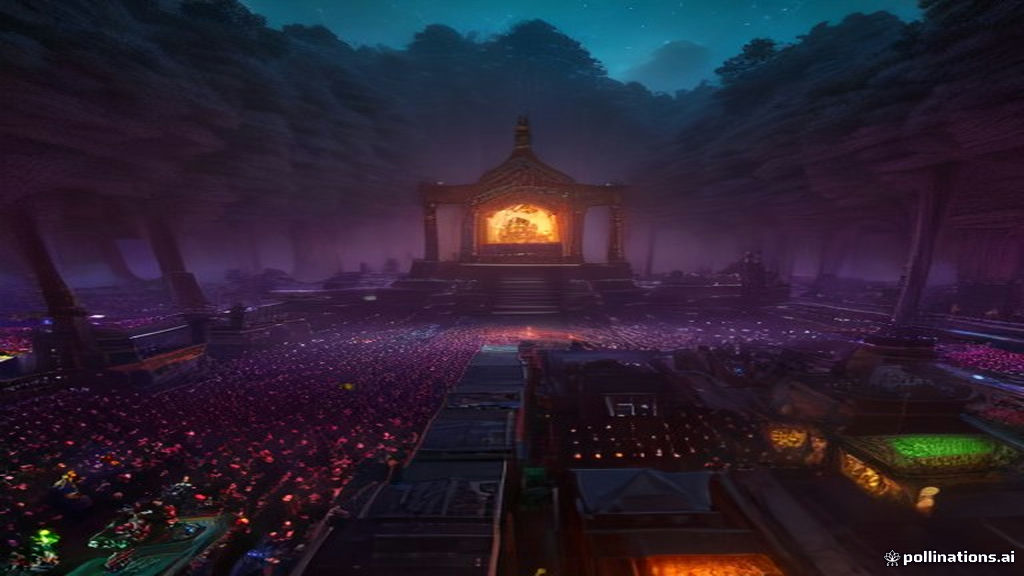
In the dynamic world of Minecraft server ownership, attracting new players is only half the battle. The true measure of a server's success lies in its ability to retain players, transforming fleeting visitors into loyal community members. While robust infrastructure, compelling gameplay, and a stable economy are foundational, it is often the unique, interactive experiences that truly cement a player's attachment to your server. This is where well-designed server events come into play.
Engaging events are more than just temporary diversions; they are powerful tools for community building, fostering camaraderie, and injecting fresh excitement into your server's routine. They provide players with shared experiences, opportunities for competition and collaboration, and a sense of belonging that transcends everyday gameplay. For server owners and community managers, mastering the art of event design is crucial for sustained growth and a vibrant player base.
Understanding Your Community
Before diving into event creation, take time to understand your server's demographic and preferences. Are your players primarily focused on survival, creative building, PvP, or roleplay? What are their peak activity times? What types of events have succeeded or failed in the past? Utilise polls, feedback channels, and observation to gather insights. An event tailored to your community's interests will always yield better engagement than a generic offering.
Types of Engaging Events
The variety of events you can host on a Minecraft server is vast, limited only by imagination and technical capability. Here are some popular and effective categories:
Building Competitions: Challenge players to construct themed builds within a specific timeframe and area. Themes can range from "futuristic city" to "ancient ruins" or "cosy cottage". These events showcase creativity and can be judged by staff or community vote.
PvP Tournaments: For combat-oriented servers, structured PvP events like duelling tournaments, faction wars, or battle royales can be highly engaging. Ensure clear rules, fair arenas, and appropriate anti-cheat measures.
Scavenger Hunts and Quests: Hide items, clues, or NPCs across your world, leading players on an adventure. These can be simple treasure hunts or complex multi-stage quests with lore and puzzles.
Mini-games: Leverage plugins to create dedicated mini-game experiences such as Spleef, Parkour challenges, Mob Arenas, or even custom versions of popular games like Capture the Flag.
Roleplay Events: For roleplay-focused servers, organised events like market days, court hearings, festivals, or grand battles can deepen immersion and provide unique narrative opportunities.
Seasonal and Holiday Events: Capitalise on real-world holidays (Christmas, Halloween, Easter) or server anniversaries with themed builds, special quests, and festive decorations. These create a sense of occasion and tradition.
Planning Your Event: A Strategic Approach
Successful events don't happen by accident; they require meticulous planning.
- Objectives: What do you hope to achieve? Boost player count, foster community, reward loyal players, introduce new features?
- Theme and Rules: Clearly define the event's theme, objectives, and a comprehensive set of rules. Ambiguity leads to frustration.
- Prizes: Offer desirable rewards. These could be in-game currency, rare items, custom titles, Discord roles, or even real-world gift cards (if appropriate for your server's scale and budget).
- Timing and Duration: Schedule events during peak player activity. Consider time zones. Decide if it's a one-off, a weekend-long affair, or a recurring series.
- Staffing: Assign roles to your staff team: hosts, judges, moderators, technical support. Ensure they understand their responsibilities.
- Technical Setup: Prepare any necessary plugins, command blocks, or dedicated event worlds well in advance. Test everything thoroughly. Consider if a temporary world reset for the event area is needed, or if a dedicated event world is more suitable to prevent disruption to the main world.
Technical Considerations and Tools
Modern Minecraft servers offer a wealth of tools to facilitate event creation.
- Essential Plugins: Plugins like WorldEdit are indispensable for quickly setting up and tearing down event arenas. Custom item plugins can create unique rewards, while mini-game specific plugins simplify complex game modes. Permissions plugins are vital for controlling player access to event areas and commands.
- Command Blocks: Master the use of command blocks for automated announcements, teleportation, item distribution, and score tracking. These can add a layer of polish and interactivity.
- Dedicated Event Worlds: For larger or more destructive events, consider creating a separate world. This protects your main survival or creative world from griefing or excessive modifications and can be easily reset or deleted afterwards.
- Backup Strategies: Always back up any world or region hosting an event before and after. This is crucial for disaster recovery and allows you to revert changes if something goes wrong.
Promoting Your Event
Even the best event will fail without adequate promotion.
- In-game Announcements: Utilise broadcast commands or plugins to regularly inform players about upcoming events.
- Discord and Social Media: Leverage your server's Discord, Twitter, Facebook, or other social media channels to build hype. Create engaging graphics and countdowns.
- Website/Forums: Post detailed event descriptions, rules, and sign-up forms on your server's website or forums.
Executing and Moderating
During the event, clear communication and fair play are paramount.
- Clear Communication: Announce the start, key milestones, and end of the event. Be available to answer questions.
- Fair Play: Actively moderate to ensure all rules are followed. Address any cheating or disruptive behaviour promptly and decisively.
- Handling Disputes: Have a clear process for resolving player disputes or rule interpretations. Consistency is key.
Post-Event Analysis
The work isn't over when the event concludes.
- Feedback Collection: Solicit feedback from participants. What did they enjoy? What could be improved?
- Lessons Learned: Review what went well and what didn't. Document these insights for future events.
- Announcing Winners: Promptly announce winners and distribute prizes. Celebrate their achievements.
The Long-Term Impact: Building a Loyal Community
Regular, well-executed events contribute significantly to player retention. They give players reasons to log in, provide opportunities to connect with others, and foster a sense of shared history and community. Over time, these shared experiences build loyalty and transform your server into more than just a place to play Minecraft; it becomes a digital home.
To ensure your server has the robust foundation needed to support dynamic events and a growing community, consider a reliable hosting solution. PixelRaid Hosting offers managed services that handle the technical complexities, allowing you to focus on what truly matters: creating unforgettable experiences for your players.
Sources and further reading:
No specific URLs were provided in the research brief for this topic.